




social media


Let’s Discuss Your Project
Describe the scope. We step in with a structured solution.

Services

POLAR / ICE NAVIGATION
We support shipowners and operators in preparing for polar and ice operations under the Polar Code. Our focus: practical compliance, operational clarity, and structured risk control for vessels navigating ice-covered waters.Polar Water Operational Manual (PWOM)
Development and revision of Polar Water Operational Manuals in accordance with
Polar Code requirements. Every manual is built around a specific vessel — its
ice class, operational limitations, equipment, and intended area of operation.
We structure the content so the document works as a real onboard tool, not just
a compliance formality.
Covers risk mitigation measures, cold-weather procedures, crew competency
requirements, and emergency response in polar and ice conditions.
Polar Operational Risk Assessment
Structured operational risk assessment in line with Polar Code requirements. We
evaluate the vessel's capabilities, identify limitations, and map ice hazard
exposure for the planned route and season.
Designed for direct use by crew and management. Clear risk rankings, specific
mitigation measures, and a format compatible with your Safety Management System.
Ice Navigation Procedures
Development of ice navigation procedures: voyage planning in ice, maneuvering
strategy, speed management, and decision-making protocols in ice conditions.
Written for practical use by bridge teams during operations.
Procedures cover ice detection, communication with ice services, icebreaker
coordination, and safe transit through ice zones — accounting for vessel type
and ice class.
Ice Risk Assessment and Voyage Planning
Risk-based voyage planning informed by ice charts, environmental conditions, the
vessel's ice class, and operational limitations. We build the voyage plan around
current ice data sources and decision checkpoints along the route.
A critical service before entering ice-covered waters. Ensures planning is
driven by structured criteria — not improvised judgment. Reduces operational
risk and satisfies charterer or flag state requirements.
Polar Readiness Review
Pre-voyage documentation review and gap identification before entering Arctic or
Antarctic waters. We audit the full documentation package against Polar Code
requirements and flag any missing or outdated elements.
Typically the final step before deployment. Gives a clear picture of readiness:
what's covered and what needs immediate attention. Eliminates surprises during
inspections or operations.
Client / Charterer Requirement Gap Analysis
Assessment of vessel documentation against the specific requirements of a
charterer or project prior to polar deployment. Charterers and project operators
frequently impose requirements that go beyond standard Polar Code compliance.
We identify the gaps, build a prioritized action plan, and support closure of
every item. This service ensures your vessel's documentation precisely meets
client expectations before mobilization begins.
Get consultation
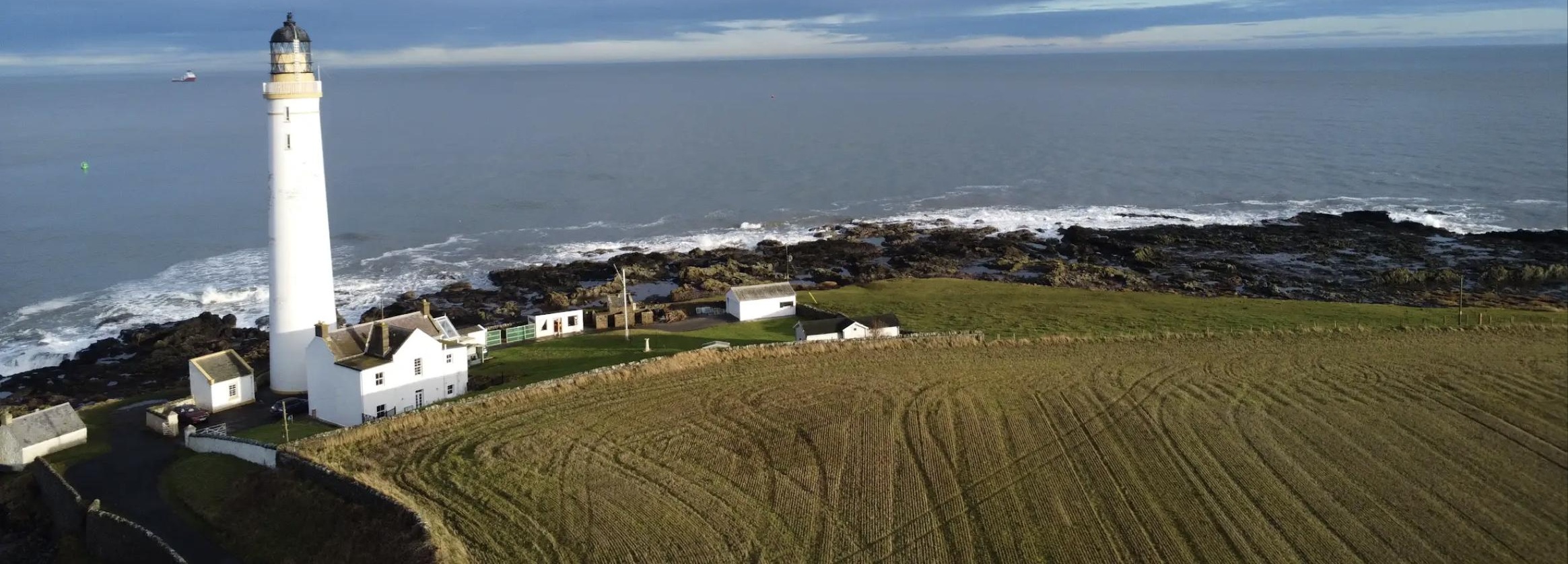
MARITIME
Operational support for your fleet's documentation, safety systems, and regulatory compliance. ISM, ISPS, MLC, risk assessments, and audit preparation. We restructure what's outdated, close what's missing, and get you ready for what's coming.ISM — Safety Management System
Development, restructuring, and digital adaptation of Safety Management System
documentation. We review your current SMS for outdated content, internal
contradictions, and regulatory gaps — then rebuild the system around your
current operations and prepare it for migration to web-based management
platforms where needed.
A well-structured SMS reduces audit findings, simplifies crew familiarization,
and creates a single source of operational standards across the entire fleet.
More about the service →
ISPS — Ship Security Documentation
Review and update of vessel security plans and related procedures to meet ISPS
Code requirements. Security documentation often falls behind as operations
evolve. We align it with the vessel's current activity, port routes, and threat
assessments.
All updates are synchronized with the existing SMS structure for seamless
integration.
MLC — Maritime Labour Compliance
Bringing crew-related documentation and procedures into compliance with MLC
requirements. We review employment agreements, work/rest hour records, grievance
procedures, accommodation standards, and reporting formats.
MLC compliance is a frequent focus in Port State Control inspections. Correct
documentation prevents findings and protects both the crew and the company.
IHM — Inventory of Hazardous Materials
Development, revision, and certification support for Inventory of Hazardous Materials (IHM) documentation, in line with the Hong Kong Convention and EU Ship Recycling Regulation. We identify, quantify, and document hazardous materials present in a vessel's structure and equipment — for both vessels in service and newbuildings — including onboard sampling coordination with classification society surveyors where required.
IHM is now a mandatory requirement for most vessel types under international and EU regulation, and a growing focus in flag state and class inspections. An accurate, well-maintained IHM avoids delays at survey, supports vessel recycling and resale value, and keeps your fleet ahead of tightening environmental compliance expectations.
More about the service →
Risk Assessment Framework
Development of generic and vessel-specific risk assessment systems, integrated
into daily operational processes. We build a framework practical enough for
regular crew use — not a formal exercise that gets shelved after an audit.
The framework covers routine operations, non-standard tasks, and emergency
scenarios. Each assessment follows a clear structure tied to the SMS and
reporting procedures.
Shipboard Manuals and Environmental Plans
Preparation and revision of SOPEP, SMPEP, Garbage Management Plans, and other
mandatory shipboard manuals. These documents are mandatory and regularly
inspected. We ensure they are current, vessel-specific, and structured for quick
crew reference.
Environmental compliance is an increasing focus in inspections. Up-to-date plans
reduce the risk of findings and demonstrate operational discipline.
Operational Procedures
Development of vessel-specific operational procedures tailored to the vessel
type, trading area, and company structure. We write procedures that reflect how
the vessel actually operates — not generic templates copied from a different
ship type.
Procedures cover mooring, cargo operations, bunkering, navigation, emergency
response, and any other operations relevant to your fleet. Written with clarity,
tested against real scenarios.
Audit Preparation and Gap Closure
Pre-audit assessment, structured gap identification, and corrective action
support ahead of external inspections or audits. We simulate the audit process,
identify what will be flagged, and close the gaps before the inspector arrives.
Covers ISM, ISPS, MLC, and class audits. We provide a clear checklist, work
through every item, and confirm readiness before the audit date.
Client / Flag Requirement Gap Analysis
Review of vessel documentation against the specific requirements of a flag
state, charterer, or contractual obligation. We produce a structured action
plan: every gap is tied to a specific corrective action, responsible party, and
deadline.
This analysis is critical before entering new charter agreements or changing
flag. It prevents last-minute surprises and gives management full visibility
into compliance status.
Get consultation
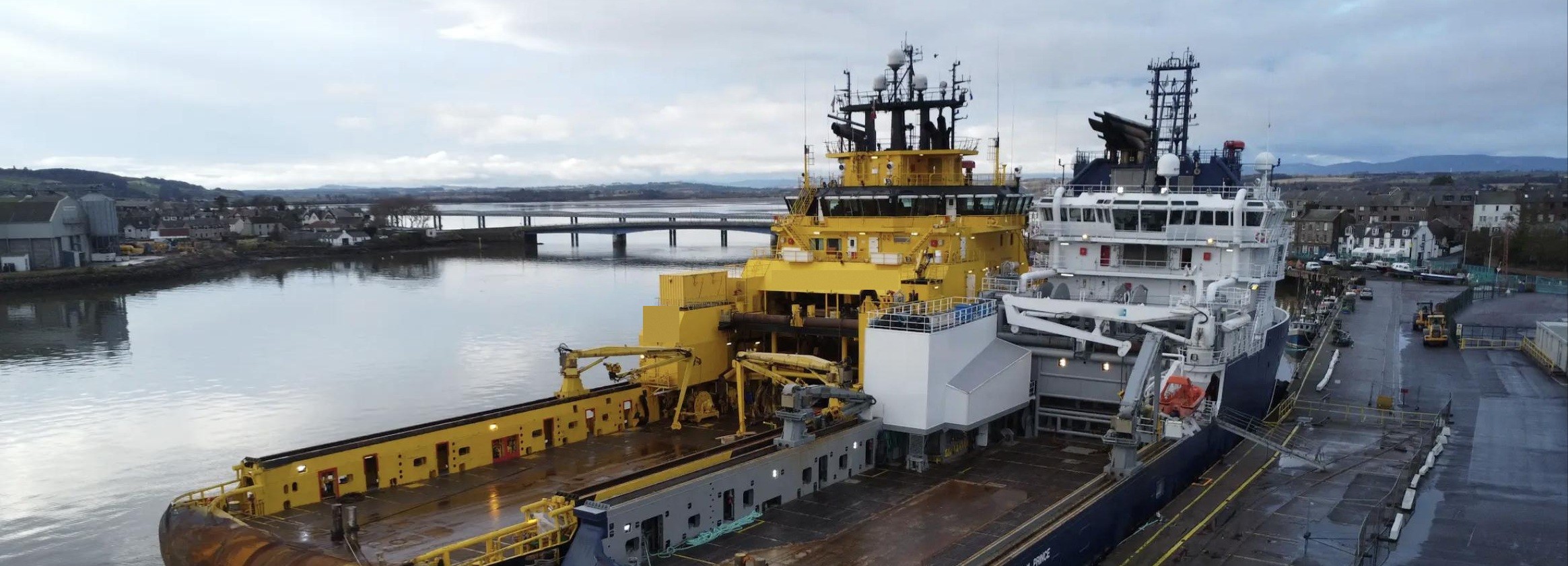
OFFSHORE
We support offshore operators and shipowners in developing structured documentation and operational procedures for complex projects. DP operations, towing, heavy lift, anchor handling, mobilization. Documentation that holds up under inspection — and works in the field.DP Documentation and Manuals
Development and revision of DP manuals, FMEA alignment, ASOG/WSOG/CSOG
documentation, and operational guidance for dynamically positioned vessels. We
ensure the documentation reflects the actual DP system configuration and the
vessel's operational profile.
Accurate DP documentation is critical for OVID, CMID, and client audits. We
build it to answer the auditor's questions before they're asked.
Towing Management Plans
Preparation of project-specific Towing Management Plans, including risk-based
planning, operational limitations, and execution framework. Each plan is built
around the specific tow: route, weather windows, vessel capabilities, and
regulatory requirements.
Covers ocean tows, coastal towing, and repositioning operations. Each plan
includes emergency procedures, communication protocols, and decision criteria.
Offshore Operational Procedures
Development of procedures for offshore operations: installation support, anchor
handling, heavy lift coordination, and project marine operations. We write
procedures that field teams can follow step by step through complex operations.
Each procedure is structured around risk assessment, task sequence, roles and
responsibilities, and abort criteria — built for clarity under operational
pressure.
Project-Specific Risk Assessments
Structured, operation-by-operation risk assessments meeting offshore project
requirements. We break each operation into discrete tasks, assess the risk at
every step, and define specific control measures.
These assessments satisfy client and regulatory expectations while delivering
real operational value. They are not templates. They are built around your
specific project, vessel, and location.
Bridging Documents and Client Alignment
Preparation and revision of bridging documents to align the vessel's SMS with
client or charterer requirements. Bridging documents are often required before a
vessel can begin work on a project. Delays in preparation mean delays in
revenue.
We identify the gaps between your management system and client expectations —
then close them. Single point of contact, fast turnaround.
Audit and OVID / CMID Preparation
Pre-inspection review, documentation refinement, and corrective action support
ahead of OVID, CMID, or client audits. We know what inspectors look for. We
prepare the vessel to pass with minimal findings.
Includes a full documentation review, crew preparation support, and a structured
corrective action tracker. The goal is to go into the inspection with confidence
— not hope.
Project Mobilization Support
Documentation review and operational readiness preparation ahead of offshore
deployment. When a vessel needs to mobilize for a project, documentation must be
complete, current, and aligned with client requirements.
We handle the documentation side so your operational team can stay focused on
logistics, crew, and equipment. Fast, structured, and ready when you need it.
Get consultation