



Vessel Baseline & Project Layer Methodology: Optimizing Marine Documentation Management

30.09.2026
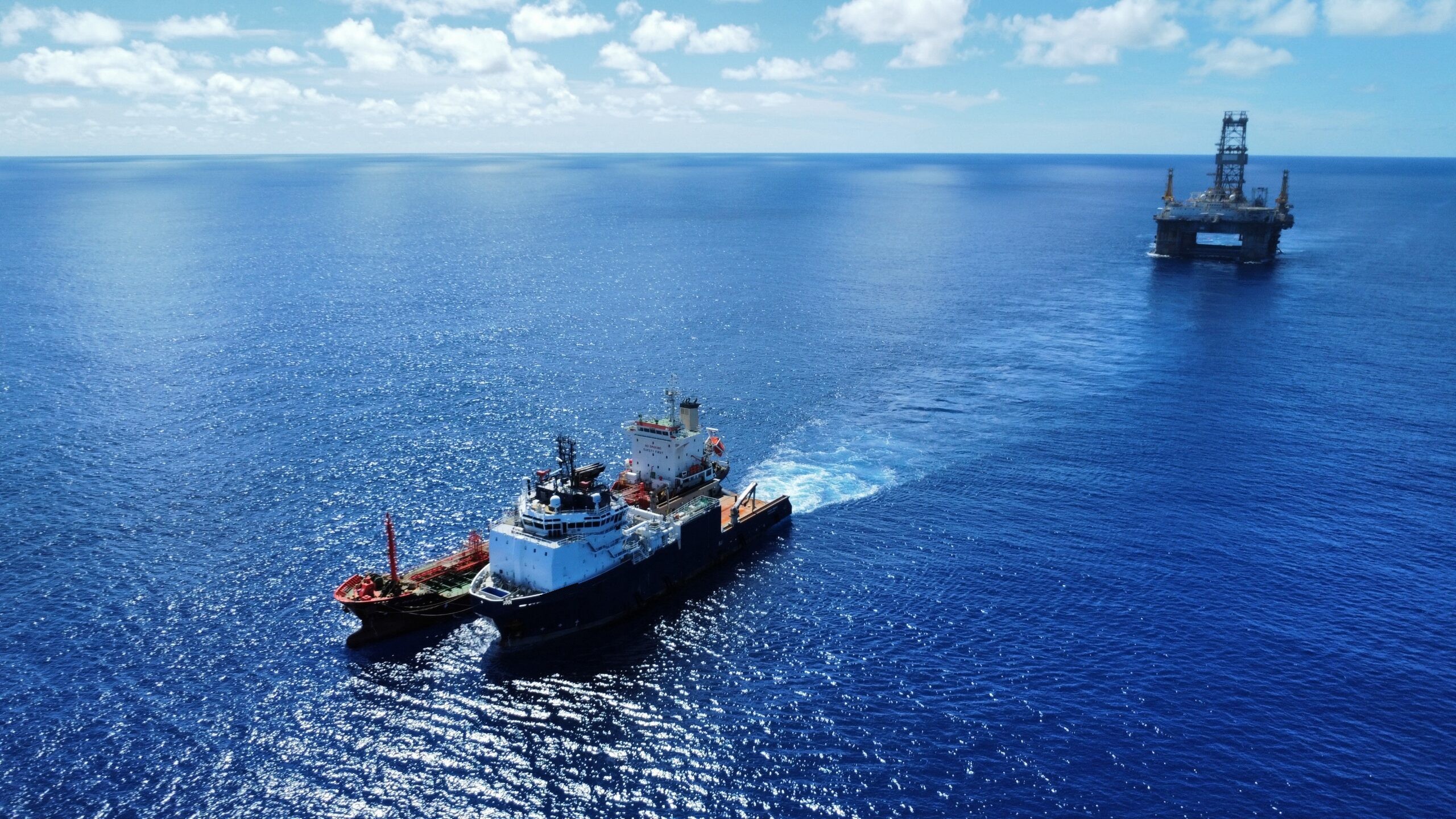
Much marine operational documentation is rewritten from scratch for every project — even though the core of the document, vessel specifications, equipment data, and standard procedures, often doesn’t change from one project to the next.A vessel runs similar operations repeatedly: a series of towing jobs, offshore projects, polar voyages. The vessel is the same. The equipment is the same. Yet each new contract often means a full document rebuild — rewritten from the first page to the last, simply because that’s how the template has always been assembled. What actually changes is usually limited: the route, the specific task, operating conditions, or a particular client’s or project’s requirements. But because the document is written in a single file in a single pass, the vessel-specific content and the project-specific content get rewritten together, every time — turning marine operational documentation preparation into a repeated, largely duplicated effort.There’s a more precise way to structure this kind of vessel documentation management: separate the Vessel Baseline (what describes the vessel itself) from the Project Layer (what describes the specific operation) — two components with different lifecycles and different rules for revision.
What actually changes is usually limited: the route, the specific task, operating conditions, or a particular client’s or project’s requirements. But because the document is written in a single file in a single pass, the vessel-specific content and the project-specific content get rewritten together, every time — turning marine operational documentation preparation into a repeated, largely duplicated effort.There’s a more precise way to structure this kind of vessel documentation management: separate the Vessel Baseline (what describes the vessel itself) from the Project Layer (what describes the specific operation) — two components with different lifecycles and different rules for revision.Vessel Baseline vs. Project Layer
Vessel Baseline — the stable core, tied to the vessel:- Vessel specifications and general arrangement
- Key equipment data (towing, DP, or ice-class equipment, depending on operation type)
- Standard emergency procedures
- Standard communication and watchkeeping procedures
- Parameters and configuration of the specific operation
- Route and passage plan
- Operating conditions: weather, ice, sea-state limits, depths
- Project-specific risk assessment
- Any requirements not covered by the Baseline: non-standard procedures specific to the client or project
Applicability Check and Change Management
A Baseline approved for one project doesn’t automatically qualify for the next. Before referencing it in a new Project Layer, its applicability needs explicit confirmation:- Has the equipment described in the Baseline changed?
- Are the certificates referenced by the Baseline still valid for the new project?
- Have the vessel’s operational limits changed?
- Does the Baseline match the type of operation the new project requires?
Version Control
Without explicit version tracking, splitting Baseline and Project Layer creates more confusion than value. The principle is simple: every Project Layer document carries the Baseline revision number it’s built on, an approval date, and a project status — the minimum information anyone opening the document needs to see at a glance.In practice, this kind of tracking in Excel or Word holds up only as long as one person is handling it and nothing is moving fast. As soon as more than one person is involved, or several projects run in parallel, it tends to collapse into a folder of files named something like Baseline_v2_final_FINAL(1).docx, where nobody can say with confidence which version is current. Without a strict internal procedure or a dedicated document/records management system (EDMS/RMS), version control ends up resting on one person’s memory — exactly the kind of risk the Vessel Baseline approach is meant to remove.This only works when version tracking is backed by either firm internal discipline or a dedicated tool, not a shared folder. Every Project Layer document should explicitly cite the Baseline revision it’s built on — so a reviewer sees immediately which revision a given project is using and can judge for themselves whether it’s current.Approval Is Never Automatic
Referencing a previously approved Baseline speeds up the process — but it doesn’t replace approval or guarantee the outcome. A new client, a new Marine Warranty Surveyor (MWS), or a charterer is entitled to require a full review, even if the Baseline was already approved by another party: different internal standards, unfamiliarity with the document format, or a more conservative position on a particular type of operation.Splitting Baseline and Project Layer doesn’t eliminate this risk. It reduces it: the structured, previously reviewed part of the document isn’t rebuilt from zero, and a full MWS review, if required, can move faster than a review of a document assembled for the first time. Marine Warranty Surveyor approval still depends on the specific reviewer and project — the split simply gives that vessel documentation review less new material to work through.What This Delivers: An Illustrative Example, Not a Statistic
The figures below illustrate the logic of the savings, not statistics from actual NautikOne projects. Real numbers depend on vessel type, the scope of the Baseline, and how demanding a specific reviewer is.The first cycle (Baseline plus the first Project Layer) is comparable in effort to preparing a full document from scratch — sometimes slightly more, because the Baseline is written with reuse in mind rather than as a one-off text. Subsequent projects (Project Layer plus an Applicability Check against an existing Baseline) take noticeably less: the team writes and reviews only the variable portion.An illustrative example: if fully assembling and reviewing a document typically takes around 100 hours in total, subsequent projects on the same vessel, once the Baseline is established, might run around 30–40 hours — provided the Baseline passes its Applicability Check without requiring significant updates. Cost savings follow time savings directly wherever payment is tied to the scope of work rather than fixed regardless of it.How This Applies Across Real Operation Types
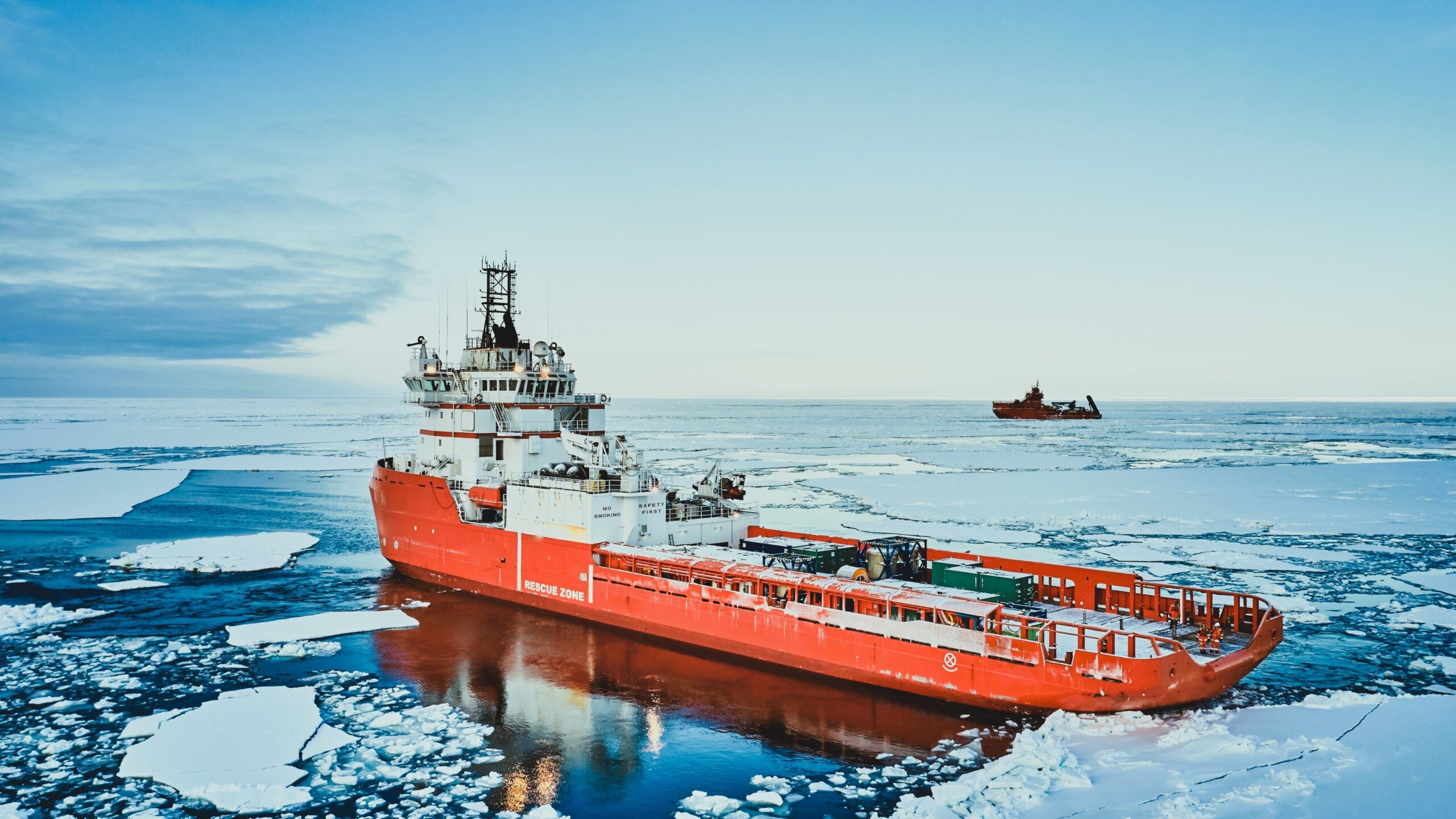
Towing. Baseline: vessel specifications, towing equipment, bollard pull, standard emergency procedures — the core content of a towing manual reference. Project Layer: configuration of the specific tow, route, weather criteria. Typical Baseline update trigger: replacing a towline or winch between projects.DP Operations. Baseline: the vessel’s DP class, DP system configuration, baseline configuration, and a current FMEA reference forming the core of the DP Operations Manual. Project Layer: project-specific operational limits, station-keeping requirements, interaction with other vessels — including any interface-specific FMEA aspects tied to that particular project. Baseline update trigger: DP system modification, or a revision to the general FMEA following an incident or upgrade.Ice / Polar Navigation. Baseline: ice class, the route-independent portions of the Polar Water Operational Manual (PWOM), standard ice management procedures. Project Layer: the specific ice sector, seasonal restrictions, charterer requirements for endurance or an ice pilot. Update trigger: a change in seasonal restrictions or a new ice sector not covered by the existing Baseline.